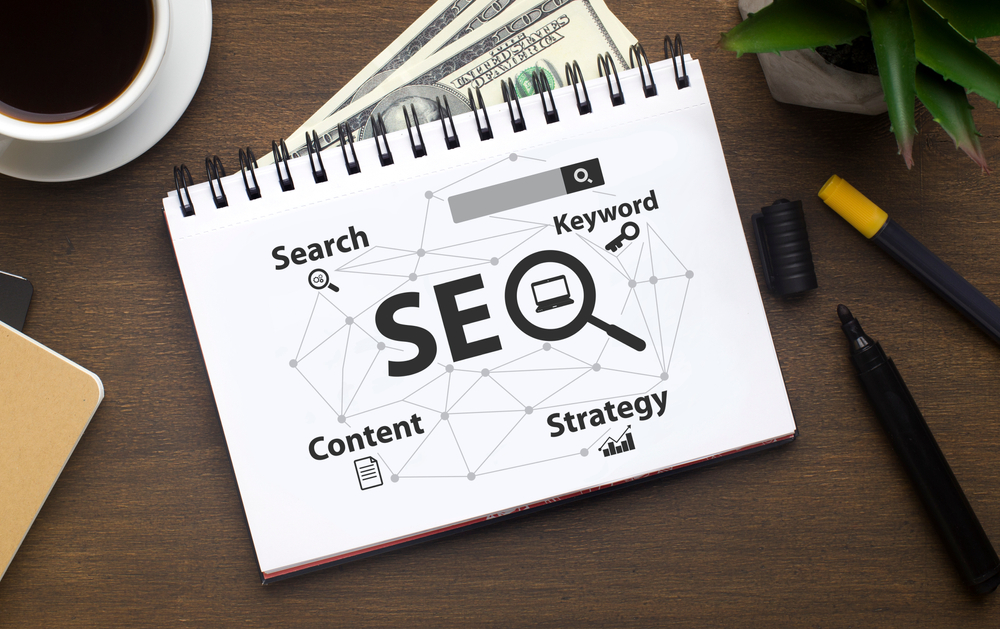
In today's digital age, having a strong online presence is crucial for businesses of all sizes. With millions of websites out there, it's easy for your website to get lost in the crowd. That's where Search Engine Optimization ( SEO (or SEM) ) and link building come into play. By implementing effective SEM/SEO strategies and building high-quality links, you can boost your website's visibility and attract more organic traffic. In this article, we will explore some essential SEO and link building tips to help you improve your online presence.
1. Understand the Basics of SEO/SEM
Before diving into the specifics of SEO (search engine optimization) and link building, it's important to understand the basics. SEO is a set of practices aimed at optimizing your website so that search engines can easily understand and rank it. It involves various techniques such as keyword research, on-page optimization, and technical optimizations. By optimizing your website for search engines, you can improve your website's visibility on search engine result pages (SERPs).
2. Conduct Thorough Keyword Research
One of the fundamental aspects of SEO is keyword research. Keywords are the phrases and words that users type into search engines when looking for specific information or products. By identifying relevant keywords for your website, you can create content around those keywords and attract the right audience.
Start by brainstorming a list of relevant topics related to your business. Then, use keyword research tools like Google Keyword Planner, SEMrush, or Moz's Keyword Explorer to find out which keywords are most popular and have low competition. Look for long-tail keywords, which are longer and more specific phrases, as they often have less competition and higher conversion rates.
3. Optimize On-Page Elements
Once you have identified your target keywords, it's time to optimize your website's on-page elements. On-page SEO refers to all the elements on your website that you have control over and can optimize to improve your search engine rankings.
Firstly, ensure that your target keywords are strategically placed in your page titles, meta descriptions, headings, and content. However, it's important to maintain a natural flow and avoid keyword stuffing, as search engines may penalize over-optimized content.
Next, optimize your website's images by including alt tags that describe the image in a clear and concise manner. Also, make sure your website loads quickly, as site speed is a crucial ranking factor. Minimize the use of heavy images and optimize your code and server resources.
4. Create High-Quality Content
High-quality content is the backbone of any successful SEO strategy. The key is to create informative and engaging content that provides value to your target audience. Search engines reward websites that offer relevant and helpful information by ranking them higher on their SERPs.
Focus on creating long-form content that thoroughly covers a topic and provides comprehensive information. Use subheadings to break your content into digestible sections. Incorporate your target keywords naturally throughout the content to enhance its SEO value.
Additionally, consider incorporating videos, infographics, or other multimedia elements into your content to make it more engaging and shareable. Content that is shared and linked to by other websites is more likely to rank higher in search results.
5. Build High-Quality Backlinks
Link building is an essential part of off-page SEO, as it helps search engines understand the credibility and authority of your website. When reputable websites link to your content, it sends a signal to search engines that your website is trustworthy and valuable.
Focus on building high-quality backlinks from authoritative websites within your industry. Reach out to influencers or industry experts and offer to create guest posts or collaborate on content. Ensure that your backlinks are from relevant and reputable websites, as low-quality or spammy backlinks can harm your rankings.
6. Monitor and Analyze Your Performance
SEO is an ongoing process, and it's important to monitor and analyze your website's performance regularly. Use tools like Google Analytics and Google Search Console to track important metrics such as organic traffic, search rankings, and user behavior.
Analyze the data to identify areas of improvement and adjust your SEO strategy accordingly. Pay attention to the keywords that are driving the most traffic to your website and optimize your content further around those keywords. Similarly, identify pages with high bounce rates or low conversion rates and make necessary changes to improve user experience.
Frequently Asked Questions
1. What is SEO?SEO stands for Search Engine Optimization. It refers to the practices aimed at optimizing a website to improve its visibility on search engine result pages (SERPs) and attract organic traffic.
2. How long does it take to see results from SEO efforts?
SEO is a long-term strategy, and it can take several weeks or even months to see significant results. However, with consistent effort and implementation of best practices, you can gradually improve your website's visibility and rankings.
3. Is link building still important for SEO?
Yes, link building is still an important aspect of SEO. Backlinks from reputable and relevant websites signal to search engines that your website is trustworthy and authoritative. However, it's crucial to focus on quality rather than quantity when building backlinks.
4. Can I do SEO on my own, or do I need to hire an expert?
You can certainly implement basic SEO techniques on your own. However, for more advanced strategies and to stay on top of the ever-changing SEO landscape, it can be beneficial to hire an SEO expert who has the knowledge and experience to maximize your results.
5. Is SEO a one-time effort?
No, SEO is an ongoing process. Search engines frequently update their algorithms, and your competitors are constantly optimizing their websites. To maintain and improve your website's visibility, you need to continuously monitor and optimize your SEO efforts.
In conclusion, implementing effective SEO and link building strategies is crucial for boosting your website's visibility and attracting organic traffic. By understanding the basics of SEO, conducting thorough keyword research, optimizing on-page elements, creating high-quality content, and building high-quality backlinks, you can improve your website's online presence and stand out from the competition. Remember, SEO is an ongoing process, so monitor and analyze your performance regularly to make the necessary adjustments and stay ahead in the digital landscape.
Other useful resources
- https://simple.wikipedia.org/wiki/Search_engine_optimization
- https://www.seoguru24.com/topics/seo-and-link-building-tips/
- https://www.seoguru24.com/services/link-building/